A short history of the Temple of Heaven
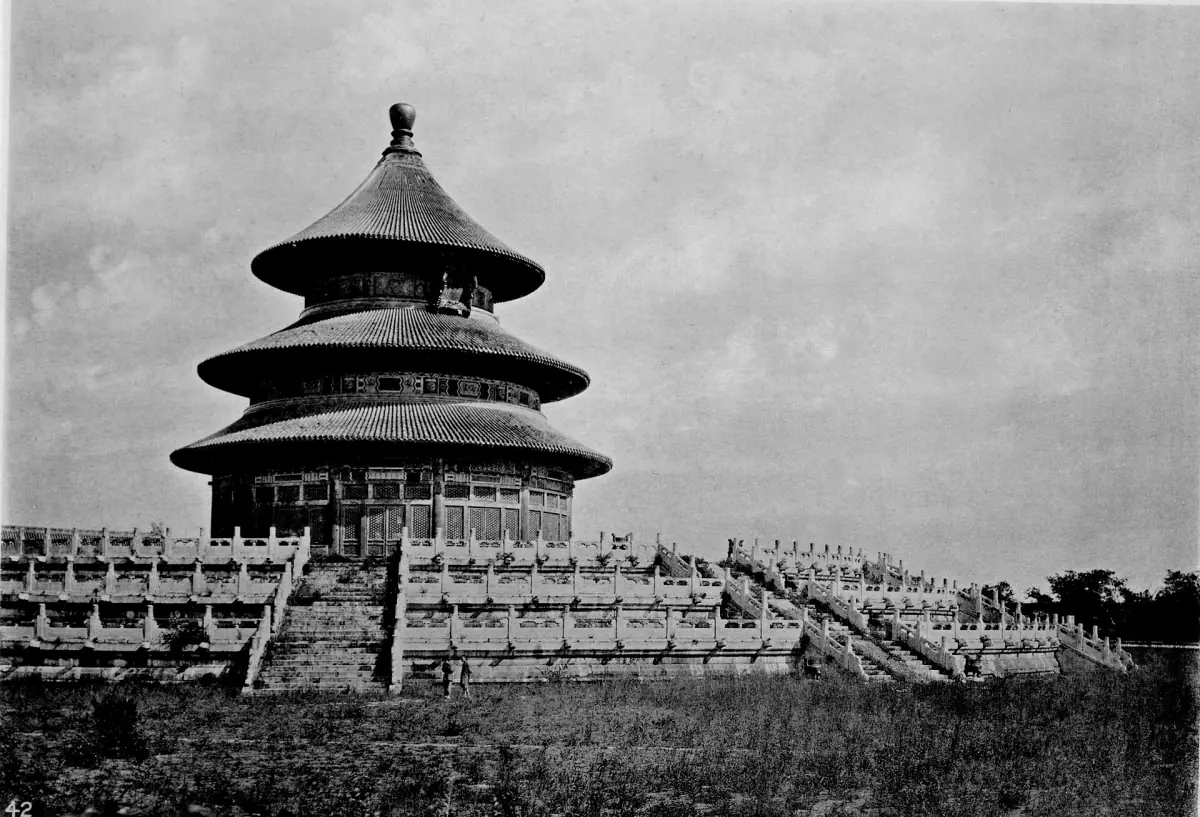
The Temple of Heaven was founded in the early Ming dynasty. Under the Yongle emperor the original altar for heaven and earth was completed in 1420. It was an imperial ritual site for offerings to heaven and prayers for good harvests, never a residence.
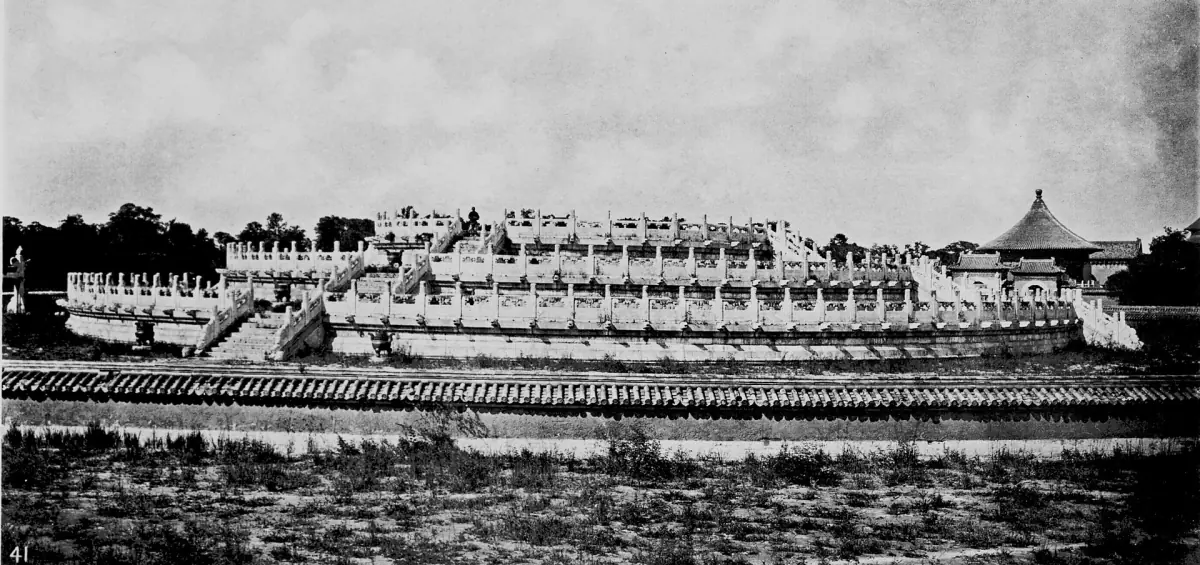
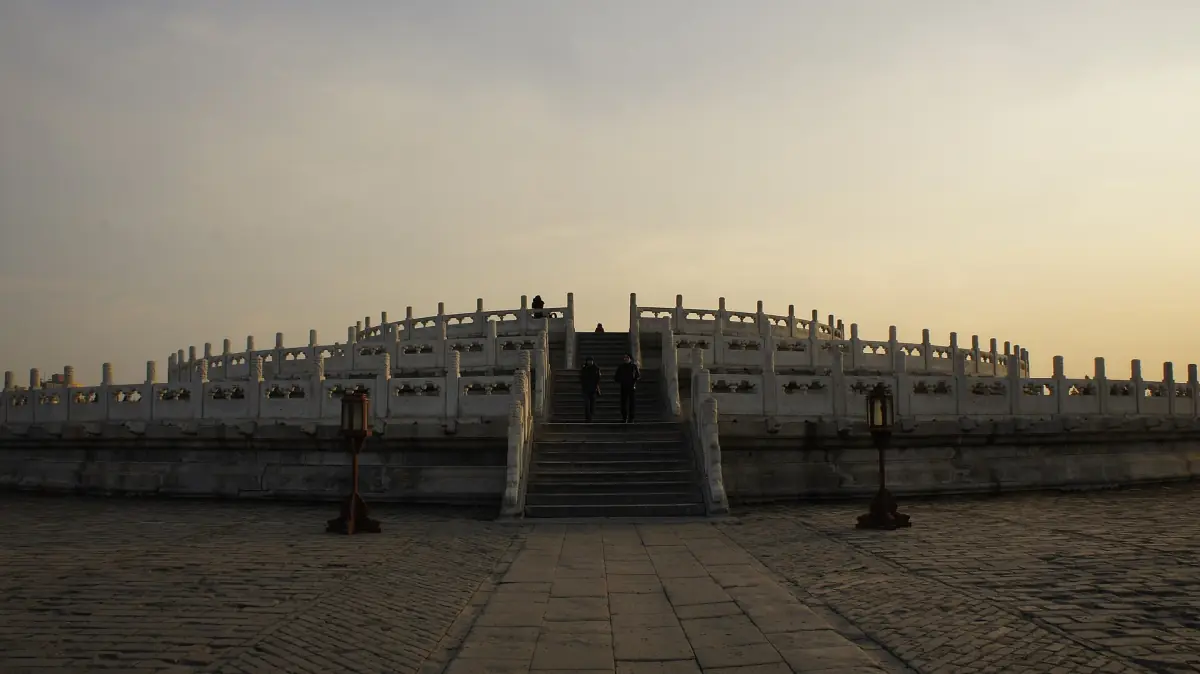
In 1530 the Jiajing emperor separated the offerings to heaven and to earth and built the Circular Mound Altar. The Qing dynasty kept the rites going. They ended as a regular tradition in 1911, and in 1918 the grounds became the public Tiantan Park. In 1998 the site was listed as a UNESCO World Heritage site.
Today you can walk the same axis the emperors used. The Temple of Heaven tickets page explains prices and booking, and the Temple of Heaven tours add context on site.
What happened here
Four parts of the ritual year, each tied to a place on the site.
Offerings at the winter solstice
The offering to heaven took place at the Circular Mound Altar at the winter solstice. This is the main rite of the site, and it is a different occasion from the harvest prayers.
Prayers for a good harvest
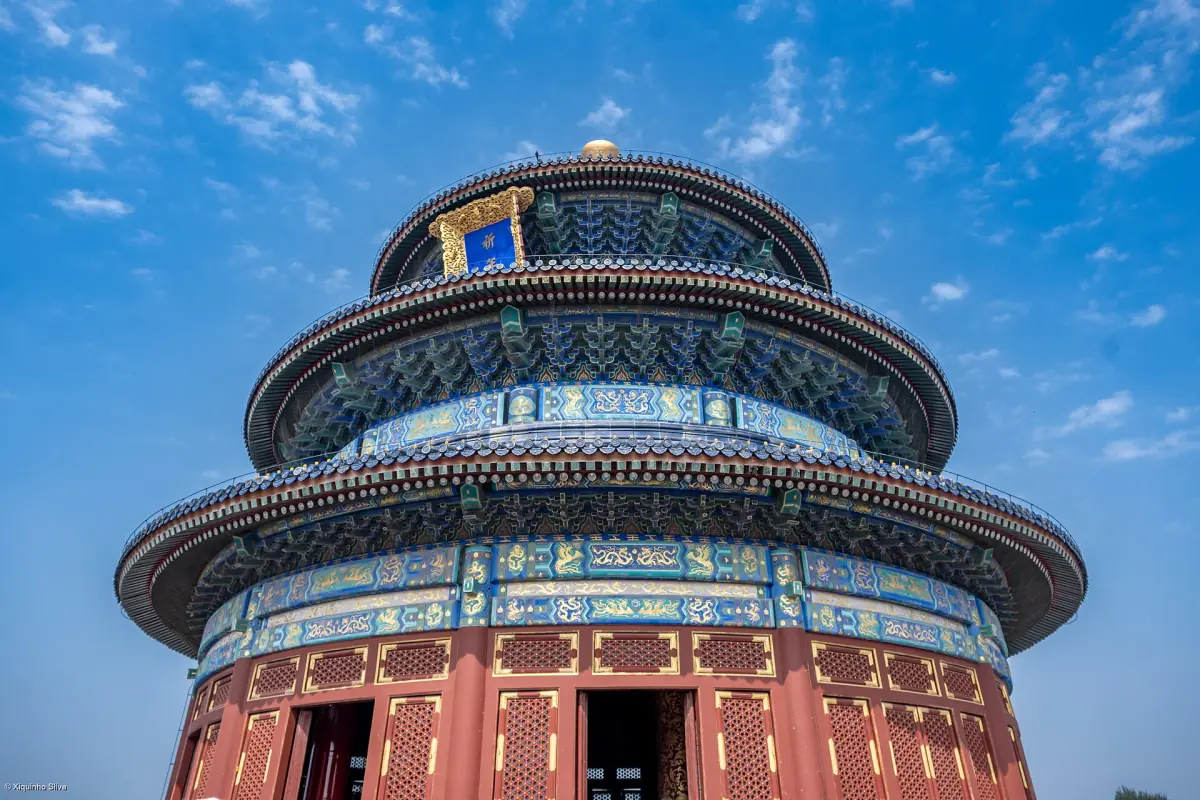
The Qing emperors held the harvest prayers in the first lunar month in the Hall of Prayer. The lunar date falls on a different day in the Western calendar every year, so check the calendar if you want to match it.
Fasting before the rites
The emperor prepared for the offerings in the Zhaigong, the Fasting Palace, which was founded in 1420. Two walls and two moats surround it.
The spirit tablets
The Imperial Vault of Heaven kept the tablets of the gods and ancestral spirits that were used in the heaven rites. It was a storehouse, not a hall for living.
There is no regular imperial ceremony to book today, so what you see are the buildings themselves. The shapes and numbers behind them are explained on the architecture page.
Our pick: a day on the imperial axis
This day links the temple with the Forbidden City, where the emperors lived.
Hand-picked tours, booked through GetYourGuide. Prices are indicative starting prices in US dollars (as of October 2026). Tap a tour for live availability and the current price in your currency.
Temple of Heaven tours and day trips
Guided visits to the Temple of Heaven and Beijing city tours that include it, with live prices and availability.
Timeline from 1420 to 1998
The building phases of the main axis.
1420
The Yongle emperor completes the original altar for heaven and earth. The main hall begins as a rectangular Great Sacrificial Hall.
1530
The Jiajing emperor separates the offerings to heaven and earth and builds the Circular Mound Altar. The Imperial Vault is built the same year and renamed and extended in 1538.
1545
The main hall is rebuilt as a round hall with a triple roof.
1749 to 1752
The altar is enlarged in 1749. In 1751 the roof tiles of the hall become uniformly blue and it receives its present name. The Vault takes its present form in 1752.
1889 and 1896
Lightning starts a fire that destroys the Hall of Prayer in 1889. The rebuilding is completed in 1896.
From imperial altar to city park
The twentieth century changed who the site was for.
1900
The headquarters of the Eight-Power Alliance is set up in the Zhaigong. The site suffers looting and damage.
1911
The regular sacrificial tradition of the dynasty ends.
23 December 1913 or 1914
Rites are resumed once under Yuan Shikai. Accounts give the year as 1913 or 1914.
1918
The grounds become the public Tiantan Park, opened on 1 January 1918. Limited openings had happened before.
1998
UNESCO lists the Temple of Heaven, recognizing it under criteria (i), (ii) and (iii).
Since the opening, the park has also become a place for daily life in Beijing. Early in the morning local people practice tai chi, play shuttlecock and diabolo and sing together. You can read how to visit respectfully on the Tiantan Park page.
Where history shows on site
Each stop on the axis keeps a different layer.
| Place | What it kept | Dates |
|---|---|---|
| Hall of Prayer | Harvest prayers, fire and rebuilding | 1420, 1545, 1751, 1889, 1896 |
| Circular Mound Altar | Offerings to heaven at the winter solstice | 1530, 1749 |
| Imperial Vault | Spirit tablets of the heaven rites | 1530, 1538, 1752 |
| Zhaigong | The emperor's fasting before the rites | 1420, 1900 |
For most visitors with one morning, read this page first, then walk the axis from the Hall of Prayer south to the altar and match each stop to its date. For the palace where the same dynasties lived, see Forbidden City history.
Keep exploring
See the places this history happened.
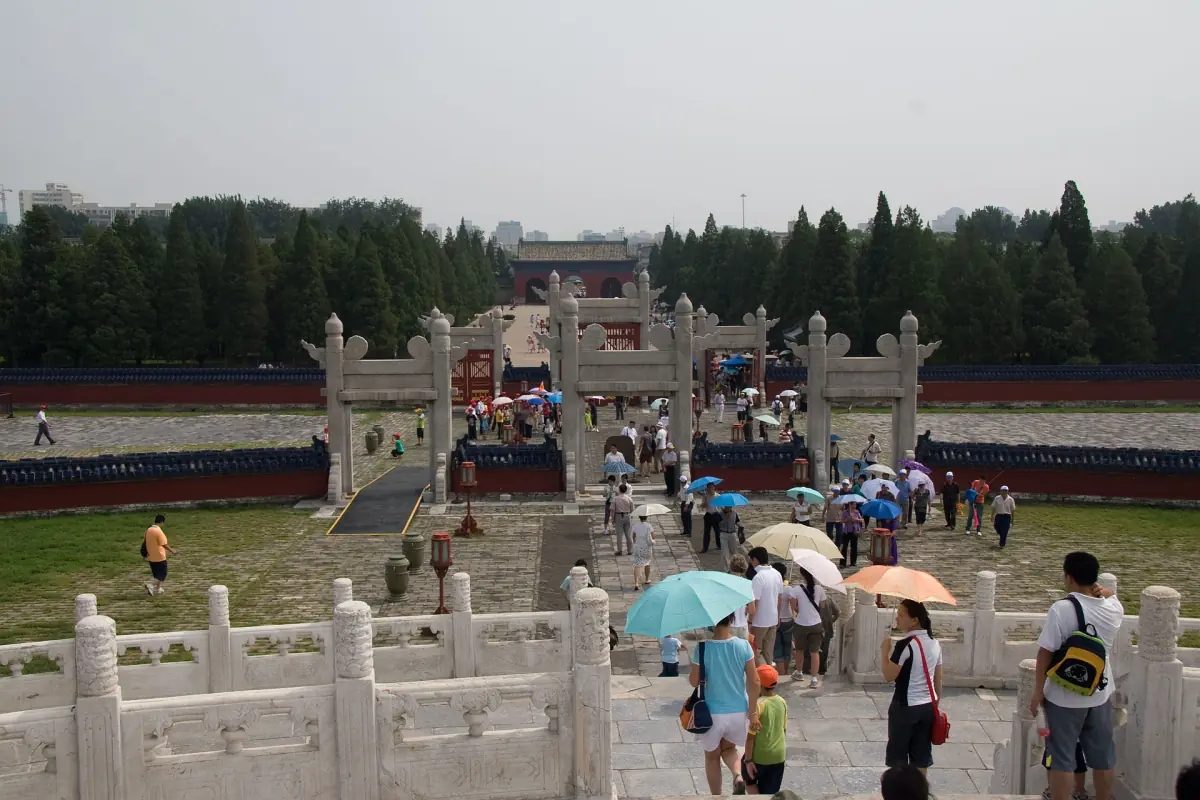
Temple of Heaven history: frequently asked questions
When was the Temple of Heaven built?
The original altar for heaven and earth was completed in 1420 under the Ming Yongle emperor. The Circular Mound Altar followed in 1530, and the round Hall of Prayer in 1545.
Who used the Temple of Heaven?
The emperors of the Ming and Qing dynasties, for offerings to heaven and prayers for good harvests. It was never an imperial residence.
Is the Hall of Prayer the original Ming building?
No. Lightning started a fire in 1889, and the rebuilding was completed in 1896. Later repairs followed, so the hall combines a Ming design with later work.
When did the Temple of Heaven open to the public?
The grounds became the public Tiantan Park in 1918, opened on 1 January 1918. Limited openings had taken place earlier, so 1918 marks the start of the park, not the first time anyone entered.
Were rites held after 1911?
The regular tradition ended in 1911. Rites were resumed once under Yuan Shikai on 23 December, in 1913 or 1914 depending on the account.